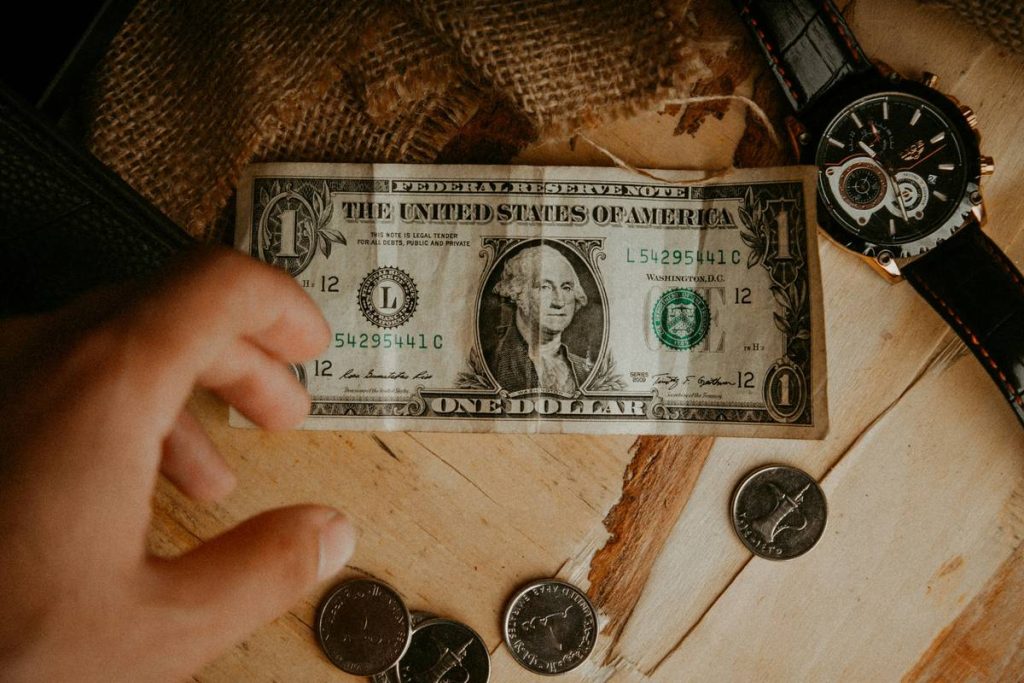
Ever opened a youth savings account only to watch the balance grow slower than your Wi-Fi during a Zoom call? You’re not alone. In 2024, the average interest rate on traditional savings accounts for kids hovers around 0.42%—barely enough to outpace a gummy bear melting in your pocket (Federal Reserve, 2024). But it doesn’t have to be that way.
If you’ve ever scratched your head wondering why Junior’s $20 birthday cash hasn’t magically become $25 by summer break—or if you’re a teen tired of watching friends spend while you save—this guide cuts through the finance fluff. We’ll demystify how interest actually works in youth accounts, reveal which banks pay rates that don’t insult your intelligence, and expose the “savings traps” even well-meaning parents fall into.
You’ll learn:
- Why “high-yield” youth accounts aren’t just marketing hype
- How compound interest can turn $5/month into $1,000+ by graduation
- What red flags scream “low-rate rip-off”
- Real parent-and-kid success stories (plus one painfully honest mistake I made with my niece’s account)
Table of Contents
- Key Takeaways
- Why Do Interest Rates Even Matter for Kids?
- How to Pick a Youth Account That Actually Pays Real Interest
- 5 Best Practices to Maximize Earnings (Without Selling Lemonade for 18 Hours Straight)
- Real Families, Real Results: Case Studies That’ll Make You Hit “Open Account”
- Interest Rate FAQs—Answered Like a Human, Not a Bank Brochure
- Final Thoughts
Key Takeaways
- Youth savings accounts with APYs under 1% are functionally decorative—skip them.
- Online banks and credit unions often offer 4–5x higher rates than big brick-and-mortar banks.
- Compound frequency (daily vs. monthly) impacts long-term growth more than most realize.
- Fees, minimum balances, and withdrawal limits can silently erase your interest gains.
- Teaching kids about interest early builds lifelong money habits—proven by CFPB research.
Why Do Interest Rates Even Matter for Kids?
Let’s be real: Most youth accounts get opened with good intentions (“We’re teaching financial responsibility!”) but then sit untouched like that salad spinner in your kitchen drawer. The problem? Many parents—and teens—assume all savings accounts are created equal. They’re not. At 0.01% APY (yes, some still exist), a $100 deposit earns $0.01 in a year. You’d make more finding loose change between couch cushions.
But flip that script with a 4.00% APY account (available as of Q2 2024 from institutions like Capital One, Alliant Credit Union, and Ally), and that same $100 grows to $104 in 12 months—with zero effort. Over five years? Nearly **$122** thanks to compounding.
Why this matters isn’t just math—it’s mindset. When a 12-year-old sees their balance visibly increase from “doing nothing,” it rewires their brain about money. As the Consumer Financial Protection Bureau notes, “Children who practice saving are three times more likely to continue saving as adults.”

My confessional fail: I once opened a “free” youth account at a major national bank for my niece. Two years later—after birthday deposits totaling $320—I checked the balance. $321.07. My heart sank. That pathetic $1.07 “earned”? Less than inflation. I closed it the next day and moved her funds to a 3.75% APY credit union account. Lesson learned: Never assume “no fees” means “good deal.”
How to Pick a Youth Account That Actually Pays Real Interest
Step 1: Hunt for APY—not just “interest rate”
Banks love saying “up to X% interest!” but what they mean is Annual Percentage Yield (APY)—which includes compounding. Always compare APYs, not base rates. As of June 2024, FDIC data shows top youth-friendly high-yield accounts offer 3.50%–5.00% APY (FDIC, 2024).
Step 2: Avoid hidden fee traps
Watch for: monthly maintenance fees ($5–$15!), low-balance penalties, and ATM surcharges. Pro tip: Credit unions often waive fees entirely for minors.
Step 3: Verify compounding frequency
Daily compounding beats monthly. On $500 at 4% APY, daily compounding yields ~$20.41/year vs. $20.33/monthly—a tiny gap that balloons over time.
Grumpy Optimist Dialogue:
Optimist You: “Just open an online account with a 4% APY and automate deposits!”
Grumpy You: “Ugh, fine—but only if I can do it during my 9 a.m. coffee scroll without needing a finance degree.”
5 Best Practices to Maximize Earnings (Without Selling Lemonade for 18 Hours Straight)
- Automate micro-deposits: $5/week = $260/year. At 4% APY, that’s $10.60 in free interest—enough for a movie night.
- Pair savings with milestones: “Save $50 for concert tickets? We’ll match 20%.” Makes goals tangible.
- Avoid ATM withdrawals: Many youth accounts limit free transactions. Use mobile check deposit instead.
- Rebalance annually: If rates drop below 3%, switch. Loyalty shouldn’t cost you dollars.
- Teach the “why”: Show kids their monthly statement. Point out the interest line. Make it visual.
Real Families, Real Results: Case Studies That’ll Make You Hit “Open Account”
Case Study 1: The Martinez Family (Austin, TX)
Parents opened a Capital One Kids Savings account (4.25% APY) when daughter Sofia was 8. They automated $20/month + birthday cash. By age 14, her balance hit $1,623—$218 from interest alone. “She checks the app weekly now,” mom says. “Last week she asked if we could ‘invest’ her earnings.” Cue proud parent tears.
Case Study 2: Jayden, Age 16 (Self-Starter)
After reading a Reddit thread on high-yield accounts, Jayden switched his $300 from Chase (0.01% APY) to Alliant Credit Union (3.90% APY). In 18 months, he earned $18.22—then used it to buy stock in Nike via a custodial brokerage. His take? “Free money is free money.”
Interest Rate FAQs—Answered Like a Human, Not a Bank Brochure
Do youth savings accounts earn less interest than adult accounts?
Not necessarily! Many banks offer identical high-yield rates for minors (e.g., Ally, Discover). Avoid accounts labeled “starter” or “basic”—they often cap rates.
Can the interest rate change after I open the account?
Yes—most youth savings accounts have variable rates tied to the Federal Funds Rate. But reputable banks notify you 30+ days before changes.
Is interest from youth accounts taxable?
Usually no—thanks to the “kiddie tax” exemption. In 2024, unearned income under $1,250 is tax-free (IRS Pub 929). Most kids won’t hit that threshold.
What’s a “terrible tip” I should ignore?
“Just stick with your local big bank—they’re safer.” FALSE. All FDIC-insured accounts (online or offline) protect up to $250,000 per depositor. Safety ≠ low rates.
Rant Time: My Niche Pet Peeve
Why do banks market “youth accounts” with cartoon mascots and glittery debit cards… but bury the actual interest rate in 8-point font on page 47 of the terms? If you won’t highlight your APY, I assume it’s embarrassing. Period.
Final Thoughts
Interest rates aren’t just boring banking jargon—they’re the secret engine that turns “I saved” into “I grew.” For young savers, even small differences in APY create life-changing momentum thanks to time and compounding. So skip the 0.01% decoys. Demand accounts that pay rates worthy of your kid’s (or your own) financial future.
Open smart. Earn real. Watch confidence compound faster than your balance.
Like a 2004 flip phone, some things deserve an upgrade—your kid’s savings account included.
Haiku for your hustle:
Pennies stack slow,
But with 4% APY?
Future you smiles wide.