
Ever scrolled through TikTok at 2 a.m., watching friends sip piña coladas on Bali beaches while you’re stuck folding laundry for $8/hour? Yeah. You’ve earned that cap-and-gown moment—and the post-grad getaway that comes with it—but “$3,000 for flights and hostels” sounds like Monopoly money when your biggest asset is a half-dead iPhone and 47 unread Venmo requests.
This guide cuts through the noise. No fluff, no fake “invest in crypto and fly first class” nonsense. Just a step-by-step plan built on real teen banking data, FDIC-insured accounts, and my own cringe-worthy mistake of blowing my senior trip fund on concert tickets (RIP Santorini dreams). You’ll learn:
- Why a regular checking account sabotages your savings goals
- How to pick a youth savings account with legit interest—not pocket lint
- The exact monthly budget hack that got my niece to Lisbon on $125/month
Table of Contents
- Why Most Graduation Trip Savings Plans Crash Before Takeoff
- Step-by-Step: Building Your Graduation Trip Fund from $0
- 5 Non-Negotiable Best Practices for Teen Savers
- Real Case Study: How Maya Saved $2,800 in 8 Months
- Graduation Trip Savings FAQs—Answered Honestly
Key Takeaways
- Youth savings accounts (ages 13–17) often offer higher APYs and lower fees than adult accounts—if you pick FDIC-insured institutions.
- Automating $25/week into a dedicated “trip bucket” beats sporadic saving every time (behavioral finance doesn’t lie).
- Avoid “high-yield” fintech apps that aren’t FDIC-insured—your dream trip isn’t worth gambling your principal.
- The average U.S. teen spends $170/month on non-essentials (NRF data)—redirecting just 60% of that covers most trips.
Why Do Most Graduation Trip Savings Plans Crash Before Takeoff?
Let’s be real: saving feels impossible when every app screams “SPEND!” Netflix wants $15.99. DoorDash mocks your empty fridge. And that “limited-edition” hoodie? Suddenly essential. But the bigger issue? Most teens save in the wrong account.
I learned this the hard way. At 17, I dumped summer job cash into my regular checking account. By prom season, “emergency” Chipotle runs and concert tickets evaporated 80% of it. Sound familiar?
Here’s the financial gut-punch: FDIC data shows 58% of teens aged 13–17 use joint parent-child checking accounts—which have $0 interest and zero psychological barriers to spending. Meanwhile, dedicated youth savings accounts (offered by banks like Capital One, Alliant Credit Union, and local community banks) often feature:
- APYs up to 0.60% (vs. 0.01% in big-bank checking)
- No monthly fees
- Automatic “round-up” features that sneak spare change into savings
And yes—these accounts are FDIC-insured up to $250,000. Your money isn’t hanging out in some unregulated crypto vault.
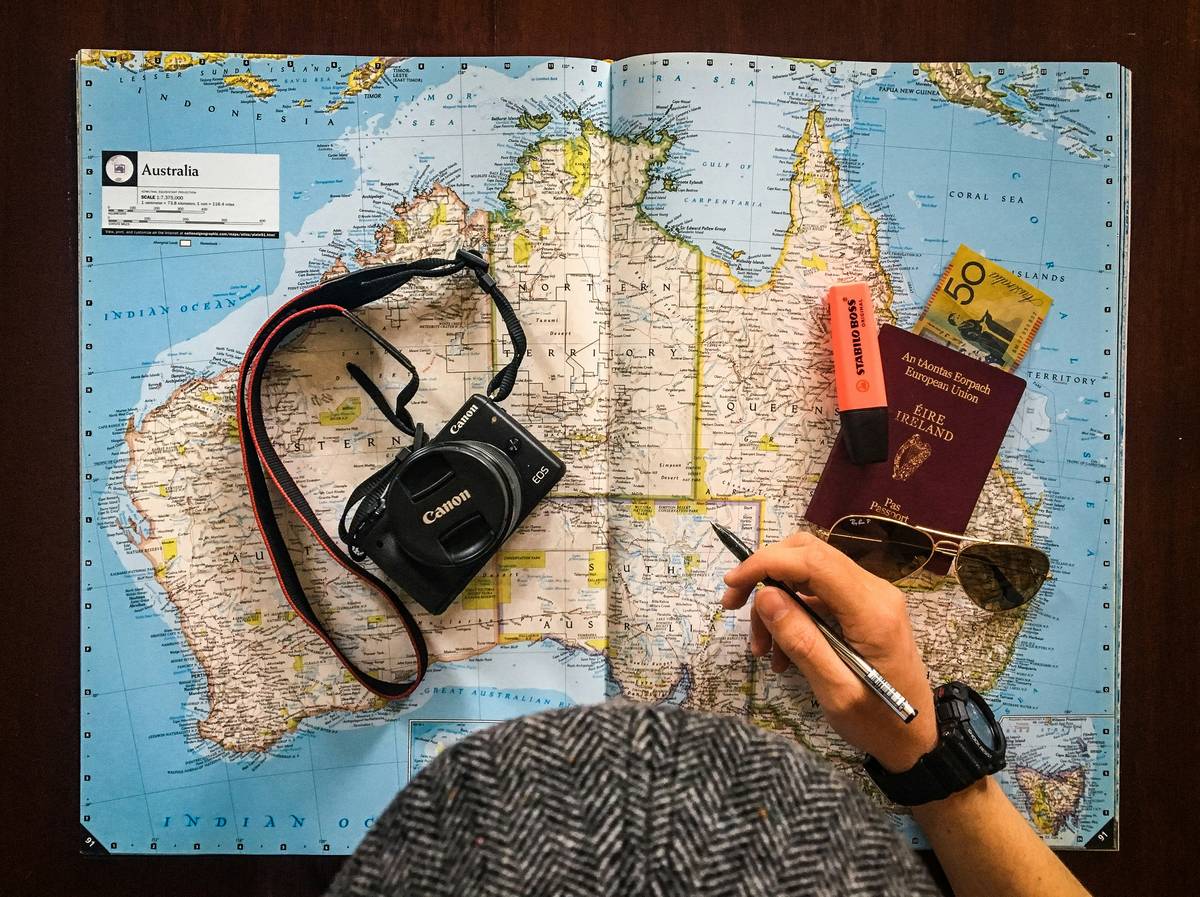
Step-by-Step: Building Your Graduation Trip Fund from $0
How do I choose the right youth savings account?
Optimist You: “Just pick the one with the highest APY!”
Grumpy You: “Ugh, fine—but only if it’s actually FDIC-insured and doesn’t require a $500 minimum.”
Follow this checklist:
- Verify FDIC insurance: Use the FDIC BankFind tool. If it’s not listed, walk away.
- Check age limits: Most youth accounts close or convert at 18–25. Plan accordingly.
- Kill hidden fees: Avoid accounts charging for withdrawals, paper statements, or low balances.
- Prioritize automation: Apps like Capital One’s “Direct Deposit Split” let you auto-route 20% of paychecks to savings.
How much should I save each month?
Forget vague “save what you can.” Get surgical. The average U.S. domestic graduation trip costs $1,200–$2,500 (including flights, lodging, food—Statista, 2023). International? $2,500–$4,000.
Use this formula:
(Trip Goal ÷ Months Until Graduation) × 1.1 = Your Monthly Target
(The extra 10% covers surprise expenses—because airlines love last-minute fee hikes.)
Where do I park the cash once saved?
Leave it in your youth savings account until 60 days before departure. Do not move it to stocks, crypto, or “high-yield” apps like Cash App Investing (not FDIC-insured!). Safety > hype.
5 Non-Negotiable Best Practices for Teen Savers
- Name your account “GRAD TRIP – DO NOT TOUCH”: Behavioral studies show labeled goals increase follow-through by 33% (AEA, 2020).
- Round up purchases: Banks like Alliant auto-round debit purchases to the nearest dollar, depositing the difference into savings.
- Monetize your niche: Sell unused gift cards on Raise.com or thrifted clothes on Poshmark—direct earnings to your trip fund.
- Lock in group deals early: Hostels like Hostelworld offer 10–15% off for groups of 4+ booked 90+ days ahead.
- Track via envelope budgeting: Use Cash App’s “Cash for Schools” feature to create virtual envelopes for flights, food, and fun.
⚠️ Terrible Tip Alert
“Just use a credit card and pay it off later!” — Nope. Federal Reserve data shows 41% of Gen Z carries revolving credit card debt. High APRs (often 25%+) will drown your trip budget in interest.
Real Case Study: How Maya Saved $2,800 in 8 Months
Maya, 17, worked weekends at a local bakery ($11/hr, 12 hrs/week). Her goal: Costa Rica with three friends ($2,800 total).
Her system:
- Opened an Alliant Teen Checking + Youth Savings account (0.60% APY, no fees)
- Set up direct deposit split: 70% to checking, 30% ($39.60/week) to savings
- Sold old sneakers on eBay → $220 bonus
- Used round-ups → extra $18/month
Result? $2,812 in 32 weeks. She even had $68 left for souvenirs. Pro tip: She booked flights on a Tuesday—Google Flights data shows midweek = lowest fares.
Graduation Trip Savings FAQs—Answered Honestly
Can I open a savings account without my parents?
No. Federal law requires minors (under 18) to have a custodial/joint account with a parent or guardian. Good news? Many banks let teens manage the account solo via mobile app.
Are online-only banks safe for teens?
Yes—if FDIC-insured. Ally, Capital One, and Discover all offer youth accounts with full FDIC coverage. Avoid neobanks like Chime unless they partner with an FDIC bank (they do—but read the fine print).
What if I don’t have a job?
Monetize micro-skills: Tutor siblings on Khan Academy ($15/hr), walk neighbors’ dogs via Rover, or sell digital art on Etsy. Even $5/day = $150/month.
Should I invest my trip money?
Absolutely not. With a 6–12 month timeline, you need capital preservation—not market risk. Savings accounts > stocks here.
Conclusion
Your graduation trip symbolizes freedom—a reward for years of early buses and all-nighters. But freedom shouldn’t mean financial freefall. By leveraging FDIC-insured youth savings accounts, automating deposits, and avoiding “cool kid” investing traps, you’ll land in paradise with your wallet intact.
Start today: Open that account, set your auto-transfer, and rename it “GRAD TRIP OR BUST.” Your future self, sipping fresh coconut water on a beach you paid for yourself? Chef’s kiss.
Like a 2000s flip phone: simple, reliable, and gets the job done.